
Seven Red Flags That Mean It is Time for a Deck Inspection

Introduction
Decks should be spaces for comfort, but hidden hazards can turn them into liabilities. Overlooked maintenance can lead to costly repairs, injuries, and legal issues. Recognizing early warning signs is essential for every property owner or manager. This guide details the seven red flags that signal it is time for a professional deck inspection and explains why NSP Inspections is the trusted choice for safety and compliance.
The Telltale Signs of Rot and Moisture Damage
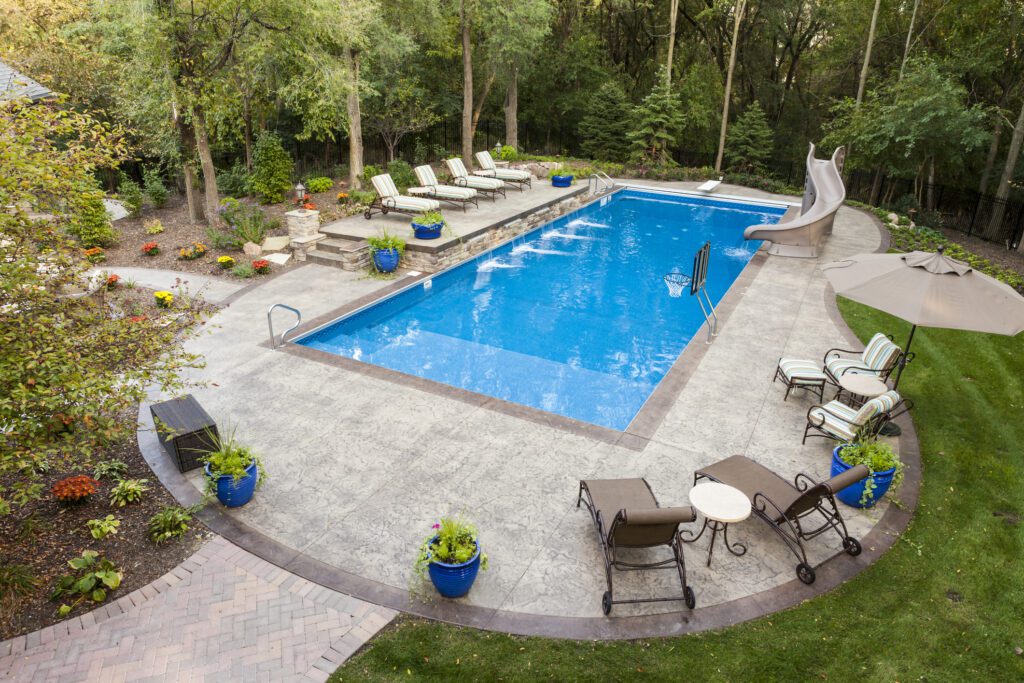
Poolside decks are constantly exposed to moisture from splashing water, rain, and humidity. This exposure accelerates deterioration, especially if water seeps into screw holes or small gaps. Not all rot is visible; warning signs include soft spots that yield to gentle pressure, gray or black discoloration around fasteners, and musty odors after rainfall.
Unchecked moisture can weaken structural members and compromise the entire deck. Early detection is crucial—keep boards clear of debris, trim vegetation for airflow, and schedule professional assessments every two or three years, or annually for commercial properties.
Experienced inspectors from NSP Inspections use advanced tools such as moisture meters and infrared scanners to detect hidden issues. Their thorough documentation streamlines repairs and supports insurance claims.
Wobbly Railings and Loose Boards Underfoot
A secure handrail is vital for safety, but wobbly railings or loose boards present significant hazards. These are especially concerning in public and commercial settings, where liability is high. Common causes include rusted or undersized screws, seasonal wood movement, or deeper structural problems.
Homeowners can check for safety by shaking rail sections—movement over one-eighth inch demands attention—listening for squeaks, and watching for protruding fasteners. While a maintenance checklist helps with routine checks, any sign of looseness warrants professional intervention.
NSP’s inspectors provide clear documentation, prioritize repairs, and communicate findings to contractors and insurance adjusters, reducing risks and avoiding costly downtime.
Ledger Board Issues and Failing Supports
The ledger board anchors the deck to the building and is critical for stability. Warning signs include gaps between the ledger and siding, visible rust on lag bolts or flashing, and cracks in support posts or concrete footings.
Improper installation, age, and environment—like salt air or freeze-thaw cycles—can speed up deterioration. Inspect for separation wider than a nickel between the ledger and wall, rusted metal parts, and vertical cracks larger than a quarter inch.
NSP’s forensic inspections use camera probes, torque testing, and load calculations to catch overlooked problems. Their meticulous process helps prevent deck collapse and reduces liability as safety regulations tighten.
Cracks, Insects, and the Silent Saboteurs
Cracked wood, even small hairlines, allows water to penetrate and accelerates decay. In humid climates, termites and carpenter ants exploit these cracks, further weakening the structure. Signs of insect damage include hollow-sounding boards, fine sawdust, and splinters.
To detect these threats, tap boards with a rubber mallet (a dull sound signals trouble), check for termite tubes or frass, and look for cracks along the wood grain.
Inspection regulations, such as California’s five-year cycle for many multifamily decks, make proactive checks essential. NSP’s team adheres to both national standards and local codes, ensuring every report meets compliance requirements.
Elevating Deck Safety With Expert Inspections
Relying on professional expertise instead of guesswork can save thousands in repairs and reduce liability. A comprehensive deck inspection involves advanced techniques like moisture mapping, load testing, and detailed, photo-rich reports that satisfy insurance and compliance needs.
What You Get
Typical Visual Check
NSP’s Detailed Inspection
Real-World Benefit
Inspector Experience
2-3 years avg.
10+ years avg.
Fewer missed hazards
Tools Used
Flashlight, tape
Infrared, probes, torque gauges
Early problem detection
Turnaround Time
5-10 days
48-72 hrs nationwide
Faster claim processing
Report Depth
3-5 pages
15+ pages with diagrams
Easier contractor bidding
Scheduling is convenient: choose your time online, receive preparation instructions, and benefit from a courteous on-site technician. Digital reports are delivered within three days, including an actionable checklist for your maintenance team.
Distinctive Value You Will Not Find Elsewhere
Nationwide service with local code expertise
Ethical, impartial reporting respected by insurance adjusters
Continuous education on the latest safety standards, including slip-resistant surfaces and smart-access gate audits
Flexible inspection options: post-storm, full forensic, or preventive reviews to fit your budget and needs.
Safeguard Your Deck Protect Your Peace of Mind
The seven warning signs—moisture rot, discoloration, musty odors, wobbly railings, loose boards, ledger separation, and pest-driven cracks—signal potential deck damage and liability. Promptly addressing these red flags helps avoid emergencies and expensive repairs.
When should you inspect deck structures? The answer is now—before seasonal changes test your deck’s integrity. Whether you manage a condominium, hotel, or private home, timely inspections are the best assurance of safety and peace of mind.
Rely on NSP Inspections for thorough, objective evaluations tailored to your property. Book your inspection, access maintenance resources, and explore pool safety guides.
Take Action for Safer Decks
Recognizing these seven red flags ensures your deck’s safety and longevity. Early action protects your property and everyone who uses it. Trust NSP Inspections for expert inspections and lasting peace of mind. Ready to secure your deck’s future? Get in touch with us.
References
Tags: